
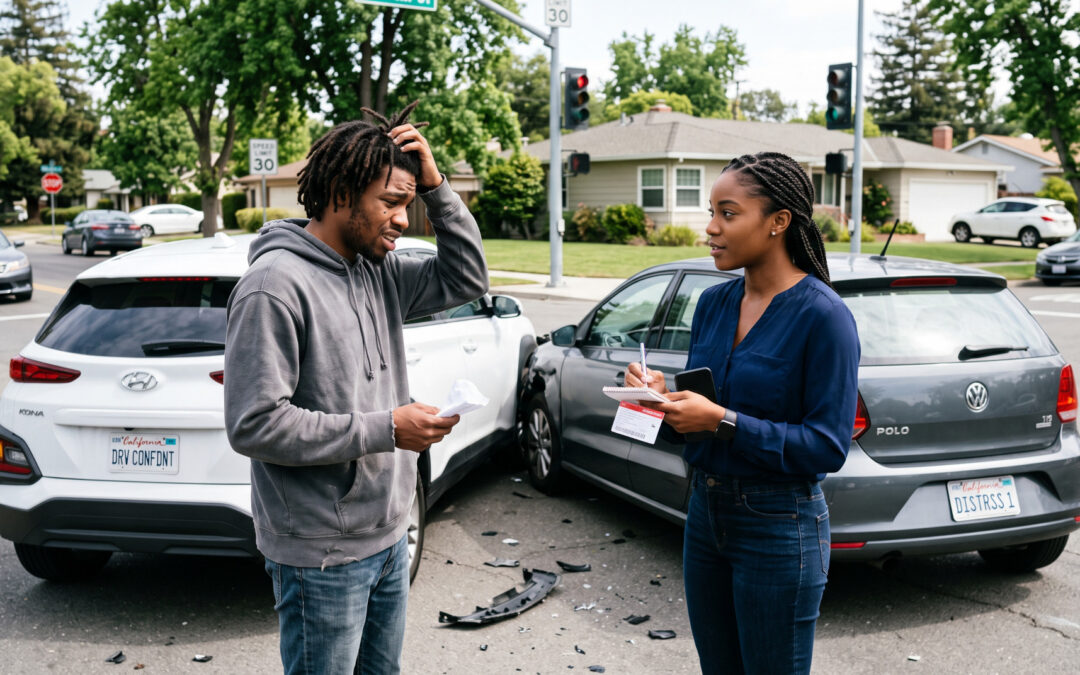
South African car insurance comes in three main tiers, comprehensive, third party fire and theft, and third party only, plus a fourth option, total loss cover, that’s become increasingly common for older vehicles. The right one for you depends on your car’s value, whether it’s financed, and how much risk you’re comfortable carrying yourself. But before choosing between them, it’s worth understanding something the tier names don’t make obvious: South Africa’s Road Accident Fund already covers injury and death from any road accident, regardless of whose insurance is involved, while none of these four private insurance tiers exist mainly to duplicate that. What they actually protect is your own vehicle and your liability for property damage to someone else’s, which is precisely the gap the Road Accident Fund leaves wide open.
What You Will Learn From This Article
- What each of South Africa’s car insurance cover types actually protects, and what they leave out
- Why understanding the Road Accident Fund changes how you should think about “third party” cover
- Where total loss cover fits in as a genuine fourth option
- What actually determines your premium once you’ve picked a cover type
- How to choose the right level of cover for your specific car and situation
Comprehensive Cover: The Broadest Option
Comprehensive is the most complete tier available, and generally the one insurers and financial advisers recommend by default. It covers damage to your own vehicle from accidents, fire, and theft, as well as your liability for damage you cause to someone else’s vehicle or property. Depending on the insurer, comprehensive policies commonly extend to medical assistance, roadside assistance, towing and storage, and temporary car hire while your vehicle is being repaired or replaced. Some insurers layer additional benefits on top, Santam’s SmartPark rewards low-mileage drivers, OUTsurance pairs comprehensive cover with a fixed excess and a claim-free cash bonus, and 1st for Women includes an in-app safety and panic-button system at no extra cost. Comprehensive is also the only tier that protects your own car regardless of who caused the accident, which matters most if your vehicle is financed or would be expensive to replace out of pocket.
Third Party, Fire and Theft: The Middle Ground
This tier, sometimes called limited liability cover, doesn’t pay for damage to your own car in an accident you caused, but it does cover your vehicle against fire and theft, including attempted theft and hijacking, alongside your liability for damage you cause to someone else’s vehicle or property. It sits between the other two tiers in both cost and protection, and suits a car that’s valuable enough to be worth protecting against theft specifically, but not valuable enough, or not financed, in a way that justifies paying for full accident cover on your own vehicle.
Third Party Only: The Minimum, Not “No Cover”
Third party only is the cheapest tier and the one most often dismissed as barely worth having. That’s a mistake. It provides no cover at all for your own vehicle, for any reason, but it does cover your liability for damage you cause to someone else’s vehicle or property, and for accidental injury or death to third parties involved in the accident. That property-damage protection is genuinely important, and here’s why: South Africa’s Road Accident Fund already compensates injured or killed road users regardless of whether the at-fault driver had insurance, funded through a levy on every litre of fuel sold. What the RAF does not cover, at all, is property damage. If you’re driving completely uninsured and you damage someone else’s car, you are personally financially liable for that repair bill, with no fund standing behind you. Even the cheapest available cover closes that specific, real gap, which is why insurance professionals generally treat third party only as a genuine minimum rather than an option to skip entirely.
Total Loss Cover: A Fourth Option Worth Knowing About
Increasingly common alongside the three traditional tiers is total loss cover, which pays out only if your car is written off in an accident or stolen and not recovered, without covering minor accident damage, dents, or mechanical faults. Several insurers now offer this as a distinct, cheaper product, MiWay markets it as its lightest tier, and it’s a genuinely sensible option for an older, unfinanced car where you could reasonably absorb the cost of minor repairs yourself but would still be badly exposed if the car were stolen or written off entirely. It’s worth asking any insurer you compare whether they offer this option specifically, since it isn’t always advertised as prominently as the three traditional tiers.
What Actually Determines Your Premium Once You’ve Chosen a Tier
Whichever tier you choose, your actual premium is built from a combination of factors layered on top of it: your age and driving experience, your claims history, where you live and park overnight, the specific make, model, and even engine variant of your car, and increasingly, usage-based factors like your annual mileage or tracked driving behaviour. Vehicle choice matters more than many buyers expect. South Africa has a well documented list of vehicles insurers treat as higher risk largely due to theft, and a car high on that list can carry a premium 15% to 30% above an equivalent lower-risk model, regardless of which cover tier you select.
How to Choose the Right Cover for You
Start with what you could actually afford to lose. If your car is financed, or replacing it would be a genuine financial setback, comprehensive is the sensible default, since it’s the only tier that protects your own vehicle regardless of fault. If your car is older, paid off, and not particularly valuable, third party fire and theft or total loss cover can offer meaningful protection against the risks that matter most, theft and write-off, at a noticeably lower cost. Third party only should be treated as an absolute floor, not a target, useful mainly for a car you’d genuinely be prepared to walk away from entirely if it were damaged or stolen. Whatever tier you’re leaning toward, comparing quotes from multiple insurers is worth doing before you commit, since the same cover tier can vary meaningfully in both price and exact inclusions between companies.
Frequently Asked Questions
What are the main types of car insurance in South Africa?
The three traditional tiers are comprehensive, third party fire and theft, and third party only. A fourth option, total loss cover, is increasingly offered separately, paying out only on a write-off or unrecovered theft.
Does third party only cover really protect me at all?
Yes, meaningfully. It covers your liability for damage you cause to someone else’s vehicle or property, a genuine risk since South Africa’s Road Accident Fund covers injury and death but never covers property damage. It does not cover your own vehicle at all.
What does the Road Accident Fund have to do with choosing car insurance?
The RAF compensates road accident victims for injury or death regardless of insurance status, funded by a fuel levy. It does not cover vehicle or property damage, which is exactly the gap that private car insurance’s third-party liability component exists to fill.
Is total loss cover the same as comprehensive cover?
No. Total loss cover pays out only if your car is written off or stolen and not recovered, and doesn’t cover minor accident damage or mechanical faults the way comprehensive does. It’s typically cheaper and suits an older, unfinanced car.
Which type of cover is cheapest?
Third party only is generally the cheapest traditional tier, though it provides no cover for your own vehicle. Total loss cover, where offered, can be cheaper than third party fire and theft while still protecting against the most serious risks, theft and write-off.
Does the type of car I drive affect which cover makes sense?
Yes. A vehicle that ranks highly on South Africa’s theft lists carries meaningfully higher risk regardless of cover tier, and may make comprehensive or total loss cover, both of which protect against theft, a more sensible choice than third party only, even on an older car.