
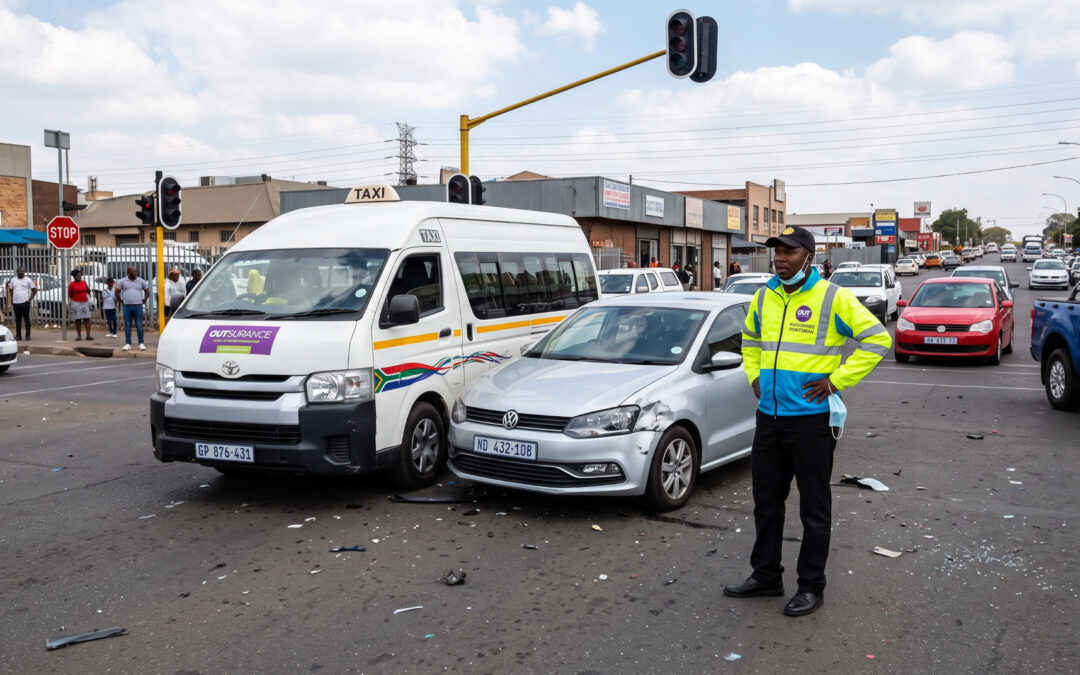
If your mental picture of driving in South Africa still involves navigating dead robots every afternoon, it’s worth updating. As of publication, Eskom has gone more than 475 consecutive days without implementing national load shedding, a genuine turnaround from the Stage 6 crisis years of 2022 and 2023. But that doesn’t mean dead traffic lights are a thing of the past, localised load reduction, cable theft, storm damage, and municipal payment disputes with Eskom all still knock out robots regularly, and when they do, the same legal rules and insurance realities apply whether the cause was rolling load shedding or a one-off local fault. Understanding what’s actually expected of you at a dead intersection, and a genuinely surprising rule about how liability gets split even when you had right of way, matters regardless of why the lights are out.
What You Will Learn From This Article
- Where load shedding actually stands right now, and why dead robots still happen anyway
- The basic legal rule for a dead traffic light, and where South African drivers most often get it wrong
- The surprising part: why having right of way doesn’t guarantee your insurer pays out in full
- Why following an unauthorised person directing traffic can leave you without cover
- Practical safety habits for any intersection where the lights are out
The Good News First: Where Load Shedding Actually Stands
South Africa has genuinely turned a corner here. Eskom reported more than 475 consecutive days without load shedding as of publication, a run stretching back to mid-May 2025, driven by improved plant performance, the return of Koeberg’s first nuclear unit, and a significant drop in unplanned outages. Eskom’s own 2026 winter outlook projected, and delivered, a load shedding-free winter season. That said, “no load shedding” isn’t the same as “no power problems.” Localised load reduction, used to protect infrastructure in areas affected by illegal connections, still affects some feeders, and Eskom itself expects that process to continue being phased out only gradually through 2027. Municipal debt disputes remain a live risk too: Johannesburg only settled a R5.25 billion overdue electricity debt with Eskom in August 2026, after Eskom had issued formal notice of its intent to interrupt bulk supply, and municipalities nationally still owe Eskom roughly R119 billion in arrears. None of this is the daily rolling blackout of a few years ago, but it’s a reminder that dead traffic lights haven’t disappeared as a genuine possibility anywhere in the country.
The Legal Rule: A Dead Robot Is a Four-Way Stop
Whatever caused the outage, the law itself hasn’t changed. When a traffic light isn’t working, South African road rules require drivers to treat that intersection as a four-way, or three-way, stop. Whoever arrives first gets to proceed first, and if multiple vehicles arrive at roughly the same time, drivers are expected to take turns in the order they arrived, not simply push through because a light would normally have given them right of way. In practice, this rule is followed inconsistently, and legal and road-safety commentary in South Africa consistently notes that chaos at dead intersections is common precisely because not every driver treats it as the stop street it legally is.
The Surprising Part: Right of Way Doesn’t Guarantee a Full Payout
This is the detail most drivers genuinely don’t expect. South African courts have established that even if you had the right of way at a dead intersection and were hit by a driver who jumped the queue, you may not automatically be entitled to 100% of your damages. According to legal commentary from DSC Attorneys, drivers have a duty to keep a proper lookout at every intersection, robots or not, working or not, which means being aware of your immediate surroundings, not just looking straight ahead. King Price’s own client experience partner has described a real illustrative split: a driver who ignored their turn might be found 60% liable for the damages they caused, while the driver who technically had right of way could still be held 40% liable for the other driver’s damages, if a court decides they didn’t keep an adequate lookout for an obviously wrong turn being made. This matters directly for your insurance claim, since South African insurers settle claims based on apportioned fault, not simply on who was technically in the right, so a genuinely defensive approach to every dead intersection isn’t just safer, it protects your actual payout. These apportioned factors could also affect your no-claim bonus.
The Illegal Pointsman Problem
It’s become increasingly common in South Africa to see well-meaning civilians, security guards, car guards, or bystanders, step in to direct traffic at a dead robot. It’s worth knowing this is against the law: only authorised officers may direct traffic, and if you’re in an accident after following an unauthorised person’s directions, you may be found in the wrong, and your insurer might decline to pay out depending on the circumstances. The Automobile Association has separately noted the genuine bind this creates, once other drivers are already following an untrained pointsman’s directions, an individual driver has little real choice but to comply, even though doing so carries legal risk if something goes wrong. There’s no clean answer here, but it’s worth knowing the risk exists rather than assuming that following the crowd protects you.
Practical Safety Habits for Any Dead Intersection
- Slow down well before you reach the intersection, even if it looks empty, since visibility and other drivers’ behaviour can both be unpredictable
- Come to a complete stop rather than a rolling stop, and genuinely wait your turn in arrival order
- Keep an active lookout in all directions, not just straight ahead, since courts have specifically flagged this as a legal duty that affects liability
- Be cautious about following an unauthorised pointsman’s directions, understanding the legal grey area this creates if something goes wrong
- Remember that street lighting may be affected too, not just the robots, making potholes, debris, and pedestrians harder to spot, so slow down generally, not just at intersections
Frequently Asked Questions
Is load shedding still happening in South Africa?
No, not at a national level. Eskom reported more than 475 consecutive days without load shedding as of publication, though localised load reduction in some areas, and ordinary power outages from other causes, still occur.
What are you legally supposed to do at a dead traffic light in South Africa?
Treat it as a four-way, or three-way, stop. Whoever arrives first proceeds first, and drivers must take turns in the order they arrived, rather than assuming their usual right of way still applies.
If I have right of way at a dead robot and get hit, will my insurer pay out in full?
Not necessarily. South African courts have found that drivers have a duty to keep a proper lookout at every intersection, and liability can be apportioned between both drivers even when one technically had right of way, which directly affects how much an insurer actually pays.
Can I follow directions from a civilian directing traffic at a dead robot?
It’s legally risky. Only authorised officers may direct traffic, and if you’re in an accident after following an unauthorised person’s instructions, you may be found at fault and your insurer might not pay out.
Does the risk of dead traffic lights only apply during load shedding?
No. Localised load reduction, cable theft, storm damage, and municipal electricity payment disputes can all knock out traffic lights independently of national load shedding, and the same legal and insurance rules apply regardless of the cause.