
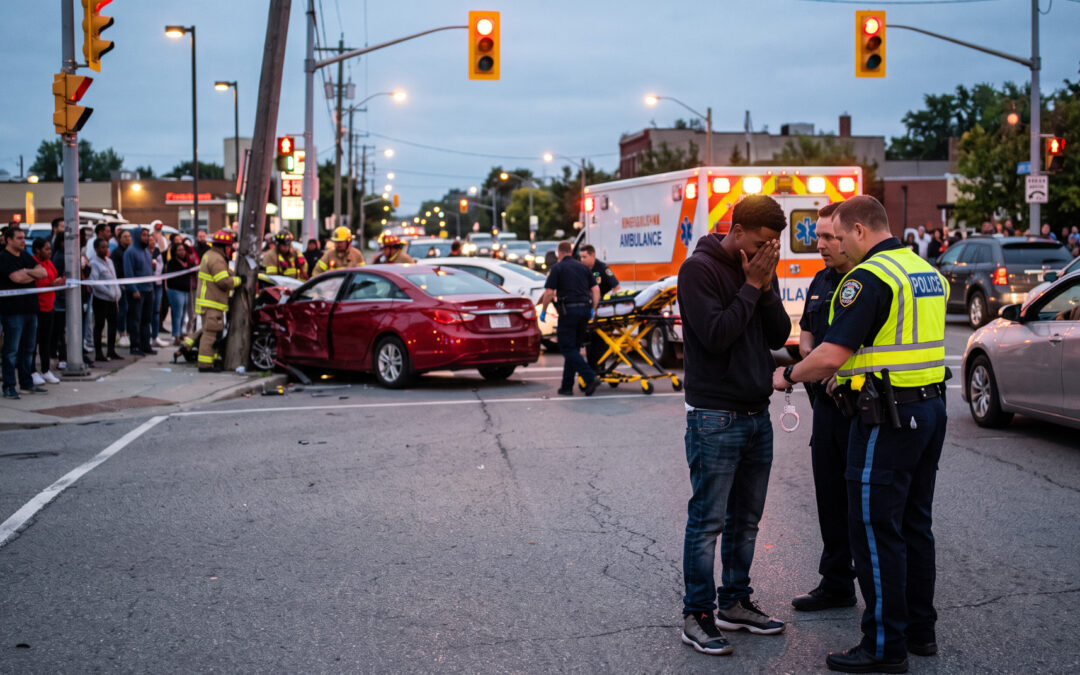
Car insurance is not compulsory in South Africa, and it shows: around 65% of the country’s roughly 13.4 million registered vehicles are estimated to be uninsured, according to the South African Insurance Association. That means roughly 8.7 million cars on South African roads carry no cover at all, and with around 800,000 road accidents reported each year, there’s a real chance that at least one vehicle in any given crash has nothing behind it. What often gets misunderstood is what actually happens if you’re in an accident while uninsured. South Africa’s Road Accident Fund does step in to cover injury and death claims for road accident victims, insured or not, but it does not cover damage to vehicles or property. If you cause an accident and you’re uninsured, you can still be left personally liable for the cost of repairing or replacing the other person’s car, on top of your own.
What You Will Learn From This Article
- How many vehicles in South Africa are actually uninsured, and what that means for you
- What happens, specifically, if you’re in an accident while uninsured
- What the Road Accident Fund covers, and the significant gap it leaves
- The different types of car insurance cover, and what each one actually protects
- What else a car insurance policy typically covers beyond the vehicle itself
- How to find the right level of cover for your situation
How Many Uninsured Vehicles Are Actually on South Africa’s Roads
South Africa had 13,355,118 registered vehicles as of December 2024, according to the Road Traffic Management Corporation. Of those, the South African Insurance Association estimates around 65% are uninsured, a figure the Automobile Association has separately put at between 65% and 70% for several years running, meaning the number of uninsured vehicles has stayed stubbornly high rather than improving. In practical terms, this works out to roughly 8.7 million vehicles on the road with no insurance cover at all. With around 800,000 road accidents reported annually, that’s not an abstract risk. Vehicle theft adds to the picture too: SAPS recorded 32,221 cases of motor vehicle and motorcycle theft in the 2024/25 financial year, none of which is recoverable if the stolen vehicle wasn’t insured.
What Happens If You’re in an Accident While Uninsured
This is where a lot of South African drivers have a dangerously incomplete picture. Many people assume that because the Road Accident Fund exists, insurance is a nice-to-have rather than a necessity. The RAF does provide real, valuable cover, but only for a specific part of what can go wrong. It compensates people, insured or not, for bodily injury or death caused by the negligent driving of a motor vehicle: medical expenses, loss of income, funeral costs, and loss of financial support if a breadwinner is killed. It does not cover damage to vehicles or other property, at all.
That gap is the part an uninsured driver actually feels. If you cause an accident and the other driver or a pedestrian is injured or killed, the RAF steps in to compensate them, and in fact also indemnifies you personally against being sued for those injury or death damages, since the RAF effectively takes on that liability instead of you. But if you damage the other person’s car, their fence, or their property, that cost is not covered by the RAF at all. Without your own insurance, you are personally on the hook for the full cost of the damage you caused, potentially through a civil claim against you directly, on top of having no cover for your own vehicle either. Being uninsured doesn’t just risk your own car; it exposes your personal finances to the property damage costs of any accident you cause.
The Road Accident Fund: What It Does and Doesn’t Cover
The Road Accident Fund is a statutory body, established under the Road Accident Fund Act of 1996, funded by a levy included in the price of every litre of petrol and diesel sold in South Africa. Every road user who buys fuel is effectively contributing to it, which is why it can compensate any road user, driver, passenger, pedestrian, or cyclist, for injury or death caused by a negligently driven vehicle, regardless of whether that vehicle was insured. Claimable costs include past and future medical expenses, loss of earnings, funeral expenses, and loss of support for the dependants of someone killed in an accident.
What it will not do is pay for a damaged or written-off car, damaged property, or any other financial loss that isn’t tied to bodily injury or death. This is precisely the gap that a car insurance policy’s third-party cover is designed to fill. It’s also worth knowing that the RAF itself is under serious financial strain: National Treasury has previously described it as technically insolvent, with liabilities that have run into the hundreds of billions of rand, and the government has periodically floated introducing compulsory third-party insurance to help fund it. None of this changes what the RAF currently covers, but it’s a reminder that relying on a strained state fund for anything beyond its actual mandate, injury and death, isn’t a sound financial plan.
The Different Types of Car Insurance Cover
South African car insurance is generally sold in three main tiers, and knowing what each one actually protects, especially regarding the RAF’s property damage gap, matters more than the marketing names suggest.
Comprehensive cover is the broadest option, covering damage to your own vehicle from accidents, fire, and theft, as well as third-party liability for damage you cause to someone else’s vehicle or property, the exact gap the RAF leaves open for injury and death but never covers for property in the first place.
Third party, fire and theft cover doesn’t pay for damage to your own vehicle from an accident, but does cover your car against fire and theft, plus third-party liability for damage you cause to someone else’s property.
Third party only cover is the most basic and cheapest option, covering only your liability for damage you cause to someone else’s vehicle or property. Your own car has no cover at all under this option, for any cause.
In every one of these tiers, the third-party liability component is what actually protects you from the RAF’s property damage gap. Even the most basic third-party-only policy closes that specific hole, which is why insurance professionals generally recommend it as an absolute minimum over having no cover at all.
What Else Car Insurance Can Cover
Beyond the core cover tiers, most comprehensive car insurance policies extend to a range of related costs. Many insurers cover the contents of your vehicle, like a car stereo or sound system, if damaged in a covered event, though this is typically not included automatically under vehicle-only cover and needs to be added separately. Personal items like clothing or luggage damaged in a fire or accident involving the vehicle may also be covered, depending on the policy. If your car is stolen or written off, some insurers offer temporary transport benefits while you arrange a replacement. If two vehicles involved in the same accident are insured with the same company, some insurers waive one party’s excess as a goodwill gesture, though this varies by insurer and isn’t guaranteed. What your premium actually costs depends on a combination of factors: the type of cover you choose, your age, your driving history, your car’s make and model, and security features like an alarm or tracking device.
How to Find the Right Cover for Your Situation
Given how differently insurers price the same driver and the same car, the most reliable way to find the right balance of cover and cost is to compare quotes from multiple insurers rather than assuming one option is representative of the market. This is especially worth doing before you decide to downgrade to third-party-only cover purely to save money, since the price difference between tiers is sometimes smaller than expected once you see real quotes side by side. Ask any insurer you’re considering exactly what’s included and excluded before committing, since policy wording varies meaningfully between companies even within the same cover tier.
Questions & Answers
How many vehicles in South Africa are uninsured?
Around 65% of South Africa’s roughly 13.4 million registered vehicles are estimated to be uninsured, according to the South African Insurance Association, working out to approximately 8.7 million vehicles with no cover.
If I’m in an accident with an uninsured driver, am I covered for injuries?
Yes, for injury or death specifically. The Road Accident Fund compensates road accident victims for bodily injury or death regardless of whether the at-fault driver was insured, funded by a levy on fuel rather than by the driver who caused the accident.
Does the Road Accident Fund cover damage to my car?
No. The RAF only covers bodily injury and death-related claims, including medical costs, loss of earnings, funeral expenses, and loss of support. It does not cover damage to vehicles or any other property, which is why private car insurance’s third-party cover exists.
What happens if I cause an accident and I’m uninsured?
The Road Accident Fund will cover injury or death claims from the accident, and also protects you personally from being sued for those specific damages. However, you remain personally financially liable for any damage caused to the other party’s vehicle or property, since the RAF does not cover this and you have no insurance to do so either.
What’s the difference between comprehensive and third-party car insurance?
Comprehensive cover protects your own vehicle against accidents, fire, and theft, plus your liability for damage you cause to others. Third party, fire and theft covers your car against fire and theft only, plus third-party liability. Third party only covers just your liability for damage you cause to others, with no cover for your own vehicle at all.
Is any car insurance cover better than none at all?
Yes. Even basic third-party-only cover closes the Road Accident Fund’s property damage gap, protecting you from personal financial liability if you damage someone else’s vehicle or property in an accident, which is a real and uninsured risk regardless of how carefully you drive.