
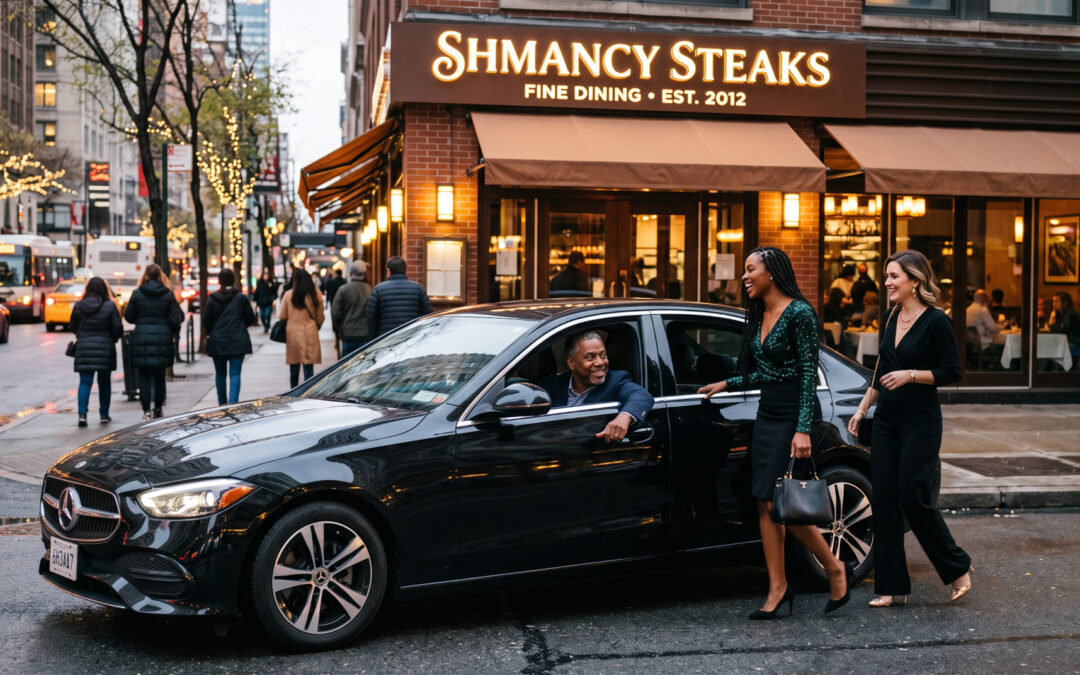
If you’re driving for Uber, Bolt, or InDrive on your own personal car insurance policy, there’s a real chance you’re driving uninsured for a large part of your working day, and don’t know it. The moment you accept a paying passenger, you’ve shifted from private use to “use for hire or reward,” a category every standard personal motor policy in South Africa specifically excludes. This isn’t a technicality or a grey area insurers rarely enforce; it’s written into the policy wording you agreed to, and it’s one of the most common reasons e-hailing drivers discover, only after an accident, that they have no cover at all.
What You Will Learn From This Article
- Exactly when and why your personal car insurance stops applying once you start driving for Uber or Bolt
- Why this exclusion exists in every personal policy, not just a few strict insurers
- The separate PrDP licence requirement that can also void your cover, and why there’s no grace period
- What Uber’s and Bolt’s own built-in cover actually pays for, and the large gaps it leaves
- What proper e-hailing cover actually needs to include
The Moment Your Personal Cover Stops Applying
Standard personal car insurance is priced and written around private use: commuting, errands, family trips, and driving patterns an insurer can reasonably predict. The moment you start carrying paying passengers, your vehicle’s use changes in ways that matter directly to risk: far higher daily mileage, unpredictable routes and hours, unfamiliar passengers in the car, and materially more time spent on the road. Insurance industry guidance on this is consistent. Aon South Africa states plainly that “personal motor insurance typically doesn’t cover claims arising from commercial activities,” while Budget Insurance’s guide to Uber and e-hailing cover puts it just as directly: “as e-hailing drivers use their cars for business purposes, they would not be covered under standard car insurance.” Whether you disclosed your e-hailing work when you took out the policy or not, the underlying risk it was priced against no longer matches how you’re actually using the car once you’re logged into the app and accepting trips.
Why This Isn’t a Loophole, It’s How Every Personal Policy Is Written
It’s worth being clear that this isn’t one insurer being unusually strict. “Use for hire or reward” is a standard exclusion built into personal motor policy wording across the South African short-term insurance industry, because it reflects a genuine, material change in risk that a personal premium was never calculated to cover. Even when a claim isn’t directly related to carrying a passenger, cover can still be affected. Budget Insurance’s guidance notes that gaps commonly appear between the moment you’re actively transporting a fare and the moment you’re not, since “you could unexpectedly shift from accepting a ride to running a personal errand during your day, be en route to picking up a passenger,” and a personal policy may treat those two situations very differently. In practice, the safest assumption is the simplest one: if you’re earning income by carrying passengers in your car, your personal policy is not designed to respond to a claim connected to that activity, and continuing to rely on it is a real financial risk, not a minor technicality.
The Licence Requirement That Can Also Void Your Cover
There’s a second, less well known requirement that catches out just as many e-hailing drivers: the Professional Driving Permit, known as a PrDP, Category P. Any driver carrying passengers for reward in South Africa is required to hold a valid Category P PrDP, and every major e-hailing platform operating in the country now enforces this as a condition of driving on its app. A PrDP is valid for 24 months from the date of issue and must be renewed before it expires. Importantly, there is no grace period once it lapses or if you never applied for one in the first place; driving for reward without a valid PrDP is an offence under the National Road Traffic Act, and traffic authorities can impound the vehicle and issue a fine on top of possible prosecution. Beyond the legal risk, operating without a valid PrDP can also affect your position with an e-hailing insurer, since it goes directly to whether you were legally entitled to be driving for reward at the time of a claim in the first place. If you’re driving for Uber or Bolt, checking that your PrDP is current is as important as checking your insurance is appropriate for the work.
What Uber and Bolt’s Own Built-In Cover Actually Does
Both major platforms offer some form of cover to drivers, but it’s narrower than most drivers assume, and neither is a substitute for proper vehicle insurance. Uber’s product, Partner Injury Protection, is underwritten by Chubb Insurance South Africa Limited and has been available to South African drivers since August 2018. It activates automatically while a driver is “on-trip” in the Uber app, and pays out for personal injury: emergency medical treatment, ambulance costs, a lump sum on death or permanent disability, and daily payments during hospitalisation. Passengers on the trip are automatically covered too. Critically, Uber’s own documentation is explicit that “Partner Injury Protection does not provide commercial vehicle insurance nor is it a substitute for comprehensive vehicle insurance.” It pays for injury to people, not damage to your car, and it doesn’t cover third-party property damage or liability either.
Bolt’s position is different again. Bolt’s driver terms require drivers to hold their own valid insurance, including passenger liability cover, as a condition of driving on the platform, rather than providing an equivalent built-in injury protection product of its own. In practice, that means a Bolt driver cannot assume the platform is covering any part of the risk in the way Uber’s Partner Injury Protection does; the responsibility sits with the driver from the outset. Since platform terms and included benefits can change, it’s worth checking the current terms in your own driver app rather than relying on what a previous driver, or an older article, may have told you.
Taken together, the practical point is the same for both platforms: whatever cover Uber or Bolt provides is aimed at driver and passenger injury, not at your vehicle, and not at your liability to other road users. That gap is exactly what a personal policy was never designed to fill, and what the platforms’ own cover doesn’t fill either.
What You Actually Need Instead
Closing this gap means moving to a policy specifically built for e-hailing or commercial passenger use, rather than trying to stretch a personal policy to cover work it explicitly excludes. A proper e-hailing policy should include cover for your own vehicle’s accidental damage, theft and hijacking, a meaningful third-party liability limit of at least R10 million, and passenger liability specifically, since your personal policy’s liability cover was never priced for carrying paying strangers. It’s also worth asking any insurer or broker directly how they treat the time you’re logged into the app and available for trips, but not yet carrying a passenger, since this is a genuine area where cover can differ meaningfully between providers. Specialist commercial and e-hailing insurers, including brokers and underwriters that focus specifically on ride-hailing and transport risk, exist precisely because mainstream personal insurers aren’t built to price this kind of use. Being upfront with whichever insurer you choose about exactly how, and how often, you use the vehicle for e-hailing work is the only way to be confident a future claim will actually be paid.
Frequently Asked Questions
Does my personal car insurance cover me while driving for Uber or Bolt?
No. Personal car insurance is written for private use and specifically excludes “use for hire or reward,” which is exactly what carrying paying passengers is classified as. This exclusion applies across the South African short-term insurance industry, not just to one or two strict insurers.
Do I need a special licence to drive for Uber or Bolt?
Yes. You need a valid Professional Driving Permit, Category P, to legally carry passengers for reward in South Africa. It’s valid for 24 months and must be renewed before it lapses, since there is no grace period once it expires.
Does Uber’s Partner Injury Protection cover my car if it’s damaged in an accident?
No. Uber’s Partner Injury Protection, underwritten by Chubb Insurance South Africa Limited, pays out for injury, death, or disability to the driver and passengers while on a trip. Uber’s own documentation states it is not a substitute for comprehensive vehicle insurance and does not cover vehicle damage.
Does Bolt provide its own insurance for drivers?
Bolt’s driver terms require drivers to hold their own valid insurance, including passenger liability cover, rather than providing an equivalent built-in injury protection product of its own. Check the current terms in your Bolt driver app, since platform policies can change.
What should I actually buy instead of relying on my personal policy?
A policy built specifically for e-hailing or commercial passenger use, covering your own vehicle’s damage and theft, a meaningful third-party liability limit, and passenger liability. It’s worth confirming directly with the insurer how they treat time spent logged in and waiting for a trip, since this can vary between providers.
What happens if I have an accident while driving for Uber without the right cover?
If your personal insurer determines the vehicle was being used for hire or reward at the time of the claim, they can decline it entirely, leaving you responsible for your own vehicle’s repair or replacement cost and any liability to other parties, since Uber’s and Bolt’s own cover doesn’t extend to vehicle damage or third-party liability.